Wholesale Aftermarket Auto Parts: A Buying Guide for Businesses
To run a successful auto repair shop seems challenging in the beginning. Not to mention that one of the biggest challenges is to maintain a reliable supply of quality parts at competitive prices. That’s why, taking into consideration dealing with wholesale aftermarket auto parts is highly recommended. So how to make the right decision and how to choose wisely your future dealer?
In this article, we will provide you with important information you need to know about sourcing wholesale aftermarket auto parts. We will share some tips and help you make strategic decisions for your business. Let us get started on optimizing your parts supply chain and promote your shop’s efficiency.
What Are Aftermarket Auto Parts?
Aftermarket Auto Parts Basics
Aftermarket auto parts are replacement components for vehicles manufactured by companies other than the original manufacturer (OEM). They are designed to operate the same as OEM parts. But they are often more affordable and widely available.
OEM and Aftermarket Differences
Given the fact that OEM parts come directly from the vehicle manufacturer, aftermarket spare parts present comparable quality often at a better price point. Many aftermarket parts even overpass OEM specifications, providing excellent value for money.
Benefits of Partnering with a Wholesale Auto Parts Distributor
Are you an auto repair shop looking for reliable parts? Or are you a retailer aiming to enlarge your product offerings? Building a partnership with a trusted wholesale auto parts distributor plays a significant role in boosting your business. Let us delve into the whys:
1. Cost-Saving Strategies with Aftermarket Auto Parts Distributors
To create remarkable financial advantages for your business through cost-saving opportunities, it is highly recommended to partner with an aftermarket auto parts wholesale distributor. Wholesalers typically offer tiered pricing, where buying in bulk reduces per-unit costs by 20-30% compared to retail, boosting your profit margins or enabling you to offer more competitive prices.
Wholesalers often provide loyalty programs, early payment discounts, and seasonal promotions that further lower expenses. Maintaining a steady relationship with a supplier secures predictable parts costs, helping in budget planning and consistent pricing, which is particularly valuable for auto repair shops and fleet managers.
2. Aftermarket Wider Access Range
Wholesale suppliers of aftermarket car spare parts provide extensive inventories that surpass what’s available through retail channels, providing a wide selection of parts from common wear items to specialized components for various vehicle makes and models. This diverse range allows your business to serve a broader customer base and handle more complex repair jobs.
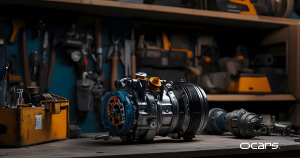
Benefits of Partnering with a Wholesale Auto Parts Distributor
Wholesale suppliers stock parts for both older and newer vehicles, ensuring you can meet the needs of all customers. Access to different quality tiers and price points enables you to offer premium or budget-friendly options, boosting customer satisfaction and retention while positioning your business as a comprehensive automotive service provider.
3. Expert Support and Industry Knowledge
Quality wholesale aftermarket auto parts suppliers provide more than just products; they promote valuable industry expertise that can improve your business operations. Their experienced professionals offer insights into part compatibility, installation, and troubleshooting, which is especially helpful for complex repairs or unfamiliar vehicle models.
This expert support can improve your team’s efficiency and minimize research time. Added to that, reputable wholesalers keep you updated on industry trends through training sessions, technical bulletins, and product updates. This fact guarantees that your business remains competitive. They also offer inventory management advice, aiding you to optimize stock levels and respond to customer needs, driving business growth and success.
How to Choose a Reliable Wholesale Supplier
Research and Reputation Matter
In order to form a reliable partnership during the process of selecting an aftermarket auto parts wholesale distributor, it is important to research their reputation. Start by evaluating how long they’ve been in business. Then proceed with analyzing their standing in the automotive industry as well-established wholesalers often have strong relationships with quality manufacturers.
Membership in industry associations like the Auto Care Association or Automotive Aftermarket Suppliers Association can also signal a commitment to standards and best practices.
Networking with other auto repair shops or fleet managers provides valuable insights into suppliers’ performance, including order accuracy and issue handling. While online reviews help, personal recommendations from trusted peers are often the most reliable. A supplier’s reputation reflects both long-term reliability and adaptability to industry changes.
Product Quality and Warranties
The quality of aftermarket car spare parts varies significantly, so it’s essential to evaluate the standards of potential suppliers. Reputable wholesale suppliers should provide clear information about their quality control processes and stock parts certified by organizations like the Certified Automotive Parts Association (CAPA) or those that meet or exceed OEM specifications.
Many quality parts undergo extensive testing, and trustworthy suppliers will be transparent about these procedures. Warranty coverage is also crucial, as it reflects both part quality and supplier reliability. Compare warranty terms, ensuring they are comprehensive, with some suppliers offering enhanced options or special coverage for high-volume customers, providing extra peace of mind and potential savings.
Customer Service and Support
The level of customer service provided by auto body replacement parts suppliers plays an important role in your business’s daily operations and long-term success. Superior service includes not only friendly staff but also experts who understand both the technical aspects of parts and the challenges faced by repair shops and fleet managers.
Look for suppliers with multiple communication channels and extended support hours to ensure quick access to help when needed.
Great wholesalers also offer value-added services, such as online catalogs, inventory management tools, and staff training. Evaluate their responsiveness and order fulfillment capabilities, including how they handle backorders and special requests, to guarantee minimal disruption to your operations and foster a successful partnership.
Inventory Management Tips for Auto Parts Businesses
Effective Tracking Systems
Modern inventory management systems have transformed how auto repair businesses track and manage their aftermarket auto parts inventory. With features like barcode scanning, real-time stock updates, and automated reordering, these systems simplify maintaining the best inventory levels, reduce manual counting, and cut down errors. They track key metrics such as turnover rates and slow-moving parts to offer valuable insights for informed purchasing decisions.
Advanced tracking can also predict reorder times, flag issues like expiring parts, and organize inventory by vehicle make and model. When selecting a system, prioritize ease of use, scalability, and compatibility with your existing tools, with mobile app options offering added flexibility for managing inventory remotely.
Returns and Warranty Processing
Train all staff on the procedures below to ensure they understand how to process various return types, whether due to customer error, warranty claims, or supplier mistakes:
- Document your return policy.
- Specify timeframes, condition requirements.
- Restock fees.

Inventory Management Tips for Auto Parts
Implement a warranty processing system that is both customer-friendly and efficient for business operations:
- Use your inventory management system to track warranty claims to identify patterns in part failures or issues with specific suppliers.
- Maintain detailed records of all warranty claims, including photos of defective parts when applicable, to facilitate communication with suppliers and protect against false claims.
Quality Assurance in Wholesale Aftermarket auto Parts
Industry Standards and Certifications
In the aftermarket auto parts industry, certifications and standards are key indicators of part quality and reliability. Many suppliers adhere to international standards like ISO 9001 and industry-specific guidelines and Ocars is an example of such suppliers. Familiarity with such certifications allows businesses to assess part quality and make informed recommendations to customers.
Testing and Verification Processes
Reputable suppliers implement multiple quality control levels, beginning with incoming material inspection and continuing through production stages and final testing.
Advanced testing equipment is often used to verify dimensional accuracy, material composition, and performance under various conditions, such as wear testing and thermal stress analysis for brake components.
Quality-focused suppliers also conduct regular batch testing and maintain detailed documentation of test results, which should be accessible to customers. Some suppliers provide test reports or certificates of conformity to build customer confidence.
Ready to Optimize Your Auto Parts Supply Chain?
You now know about the importance of partnering with a wholesale aftermarket auto parts especially in terms of cost saving and wider access range. You may need more tips for ensuring the quality of aftermarket auto parts before buying or you may need advanced pieces of advice for your inventory management system. That’s why our team is committed and ready to support you in your whole process – from selecting the right parts to optimizing your inventory.
So why not take the next step? Contact our wholesale team today for a free consultation.